

The Power of Two: Friendship and the Practice of Mussar
7:30-8:30 p.m. ET | Tuesdays
April 14 - May 5, 2026
This year as we observe the Omer, we invite you to join us on this journey of Mussar practice focused on our relationships with our closest others — our friends and neighbors. In this four-part series, we will learn along side different esteemed teachers each week, focusing on different themes centered around Chavruta. See full schedule below:
Tuesday, April 14 | A World We Share: Hannah Arendt and the Power of Friendship in a Broken World
Led by Roger Berkowitz. Roger is Founder and Academic Director of the Hannah Arendt Center for Politics and Humanities and Professor of Politics, Philosophy, and Human Rights at Bard College. His new book on Arendt and Friendship is forthcoming from Yale University Press.
Tuesday, April 21: Chavruta: Friendship as Love, Comfort and Challenge
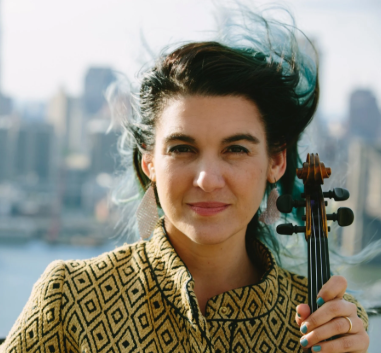
Led by Alicia Jo Rabins. Alicia is a writer, composer, performer, and torah teacher whose new book, When We’re Born We Forget Everything was recently published by Schocken Books.
Tuesday, April 28: Chavershaft: Uncovering the Neighbor We Are Commanded to Love
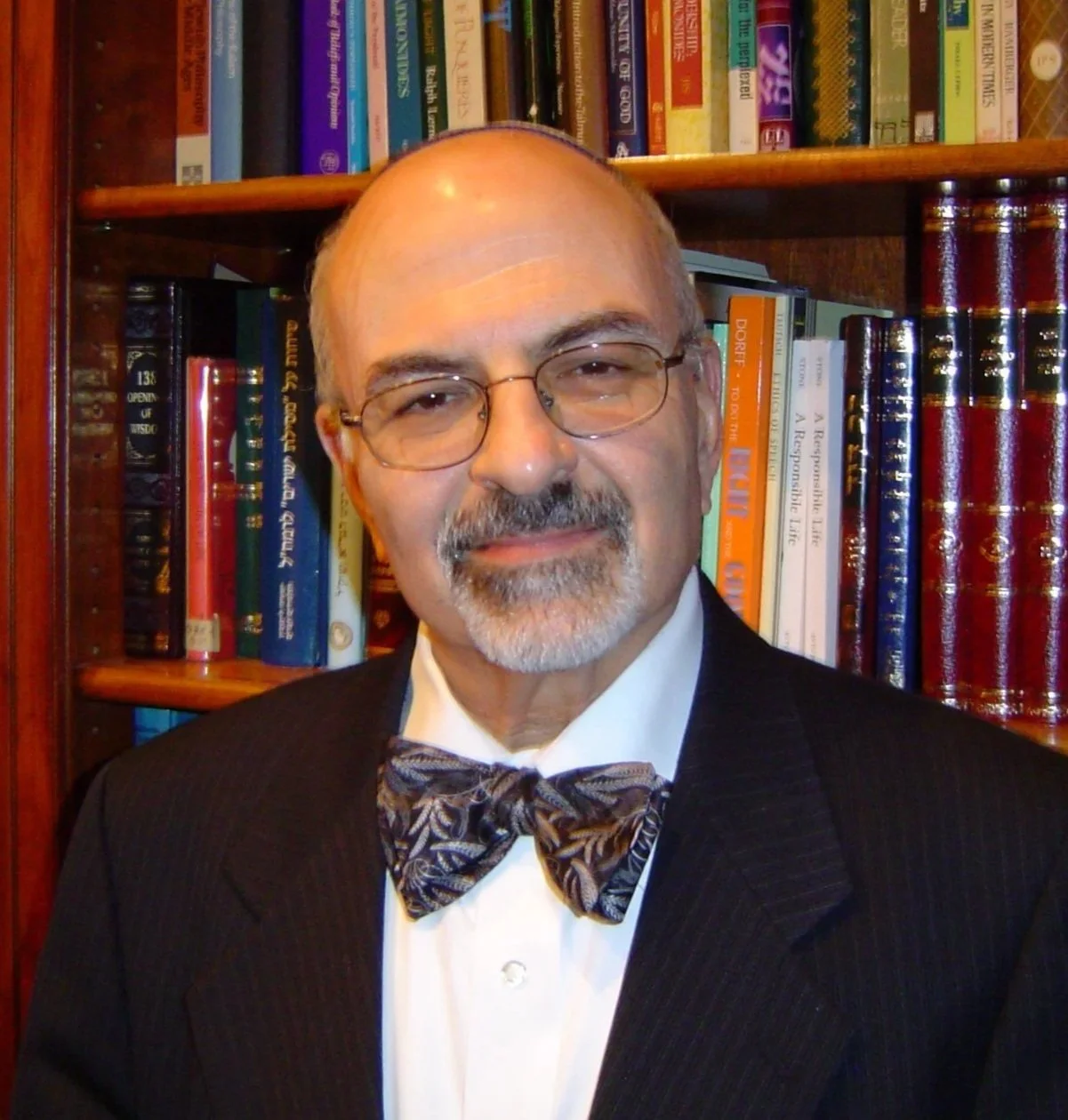
Led by Rabbi Ira Stone. Rabbi Stone is the Rosh Yeshiva Emeritus at CCM, and author of multiple books including Reading Levinas/Reading Talmud and A Responsible Life: The Spiritual Path of Mussar.
Tuesday, May 5: The Tale of the Tainted Grain: Friendship in the Stories of Rebbe Nachman
Led by Rabbi Benjamin Barnett & Rabbi Joshua Boettiger
Benjamin is the rabbi of Havurah Shalom in Portland, Oregon.
Joshua is the Rosh Yeshiva at CCM and Jewish Chaplain at Bard College, where he also teaches.



Why We Count: The Soul’s Ascent
The journey from the narrowness of Egypt during Passover to the revelation at Sinai on Shavuot is not a distance measured in miles, but in character. The Omer is a 49-day period of intentional transition.
Counting the Omer is one of the oldest mindfulness practices in existence. By reciting the blessing and naming the specific day each evening to mark the time between Passover and Shavuot, we ground ourselves in the present moment.
So how do you traditionally count the Omer?
The Blessing: We begin with a Bracha, acknowledging the sanctity of the commandment to count.
The Naming: We state the day and week (e.g., "Today is the 15th day, which is two weeks and one day of the Omer").
The Reflection: At CCM, we follow the naming with a focused Mussar practice of reflection, turning an ancient ritual into a contemporary tool for relational and personal growth.